Tatami rooms in Japan: How floor-level design changes the pace of daily life
Tatami rooms influence posture, sound, movement, and even how a space shifts between rest, meals, and conversation.
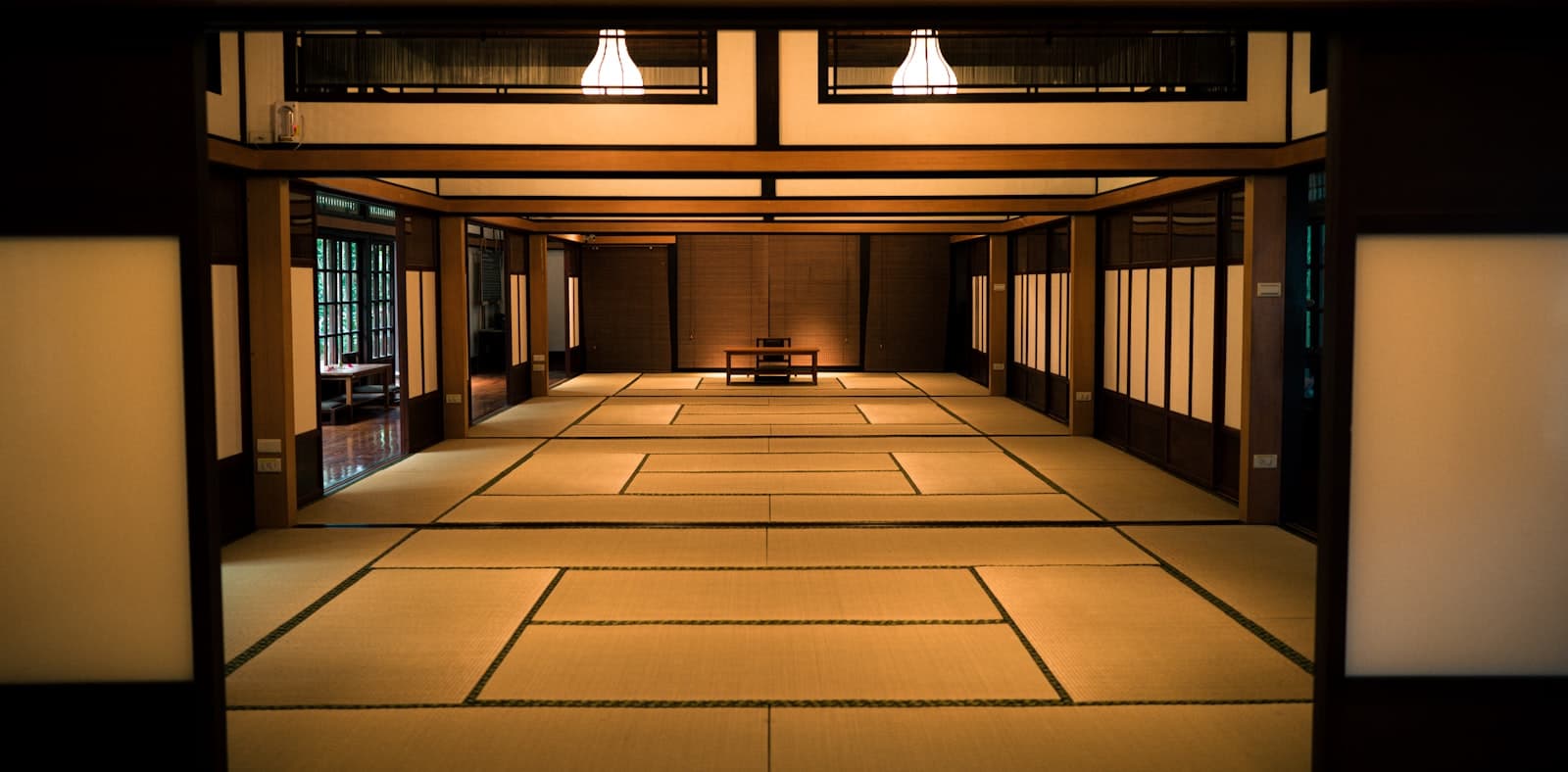
A tatami room changes behavior before anyone explains the rules. The floor texture, the lower sightline, and the quieter pace all push daily routines in a particular direction.
Why tatami rooms feel different from the moment you enter
Tatami rooms is one of those entry points into Japan that feels small at first and then quickly opens into a wider conversation about habits, memory, and everyday choices. Looking at what floor seating, texture, and room proportions communicate makes the subject easier to understand without reducing it to a stereotype.
What makes it especially useful for beginners is that it connects culture, language, and behavior in a way people can actually notice. The goal is not to memorize trivia, but to spot the patterns that make Japanese daily life feel coherent.
How tatami changes movement, sound, and rhythm
When you focus on how it shapes daily rhythm, Tatami rooms stops being just a colorful detail and starts to reveal the values around it. Questions of timing, group awareness, seasonality, and care often appear in subtle ways.
That is why these topics work so well for cultural discovery. They help explain not only what people do, but why those actions keep making sense in context.
What learners can take away
For language learners, topics like this create memory hooks. Vocabulary sticks better when it is attached to a vivid scene, a social rule, or a specific sensory detail. Cultural context is not decoration; it is part of retention.
That is also part of the editorial approach behind DarumaGo: connect practice with real-life meaning so vocabulary and routines feel easier to remember.